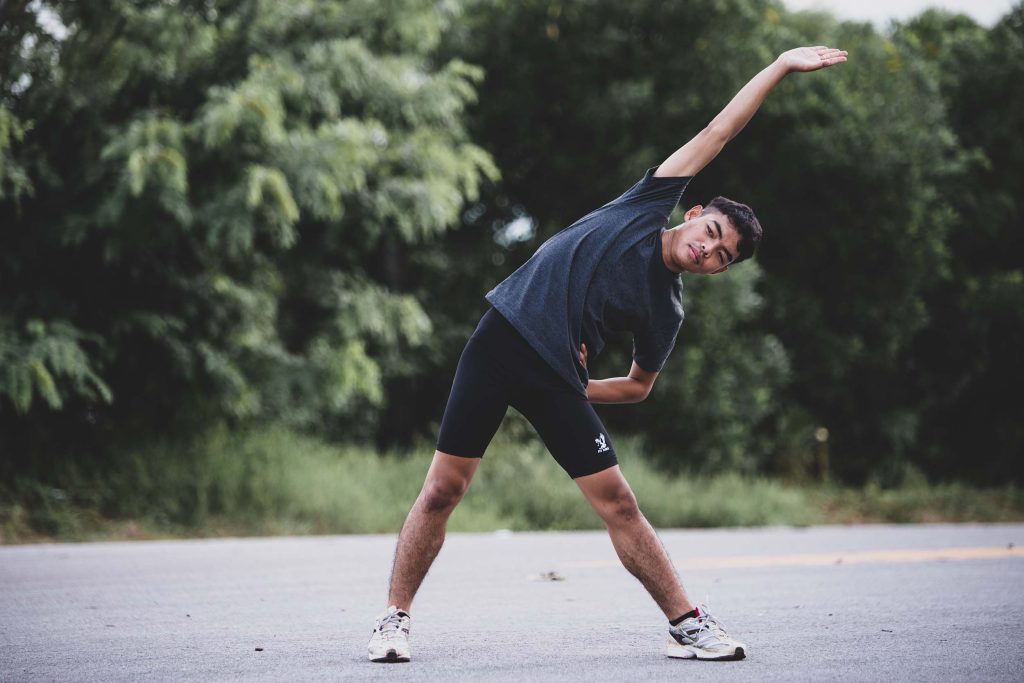
 Most people think good movement means being flexible. Touching your toes, stretching more, or feeling loose sounds like the goal. But real, pain-free movement depends on two things working together: mobility and stability. When one is missing, the body compensates — and that’s when aches, injuries, and stiffness begin to show up.
A common belief is that tightness is the enemy. So people stretch more and more. The problem? If a joint moves too much without control, the surrounding muscles can’t protect it. That leads to overload, irritation, and poor mechanics. Think of it like a door: it needs hinges that move smoothly and screws that hold them in place. Without stability, extra mobility becomes risky.
Mobility is a joint’s ability to move through its full range. Stability is the ability to control that movement. Your hips and upper back need mobility to walk, squat, and reach. Your core and shoulders need stability to keep those movements safe. Research shows that balanced movement reduces joint stress and muscle fatigue while improving performance and injury prevention. When mobility and stability work together, your body moves efficiently instead of defensively.
How to Balance Both
You don’t need extremes — you need the right mix:
- Stretch tight areas like hips, calves, and thoracic spine.
- Strengthen stabilisers like core, glutes, and shoulder blades.
- Move daily instead of sitting too long.
- Warm up before sport or workouts.
- Get assessed if you feel unstable, stiff, or repeatedly sore.
Control What You Can Move
Mobility lets you move. Stability keeps you safe while doing it. When both are trained, pain drops, performance improves, and daily tasks feel easier.
If you’re dealing with stiffness, instability, or recurring pain, Necks Backs Sports can assess your movement and restore the right balance. Book your appointment with Necks Backs Sports today.