Gardening is rewarding, relaxing, and great for staying active. But bending, lifting, digging, and prolonged kneeling can quickly lead to lower back strain. If you often feel stiff or sore after time in the garden, it’s not something you simply have to accept. With the right approach, you can protect your spine while enjoying your outdoor time.
Many people assume back pain only comes from lifting heavy pots or soil bags. In reality, repetitive bending, twisting, and sustained forward posture are just as stressful on the spine. Staying in one position — even a light one — for too long reduces circulation and increases muscle fatigue. The issue isn’t gardening itself; it’s how your body is positioned and how long it stays there.
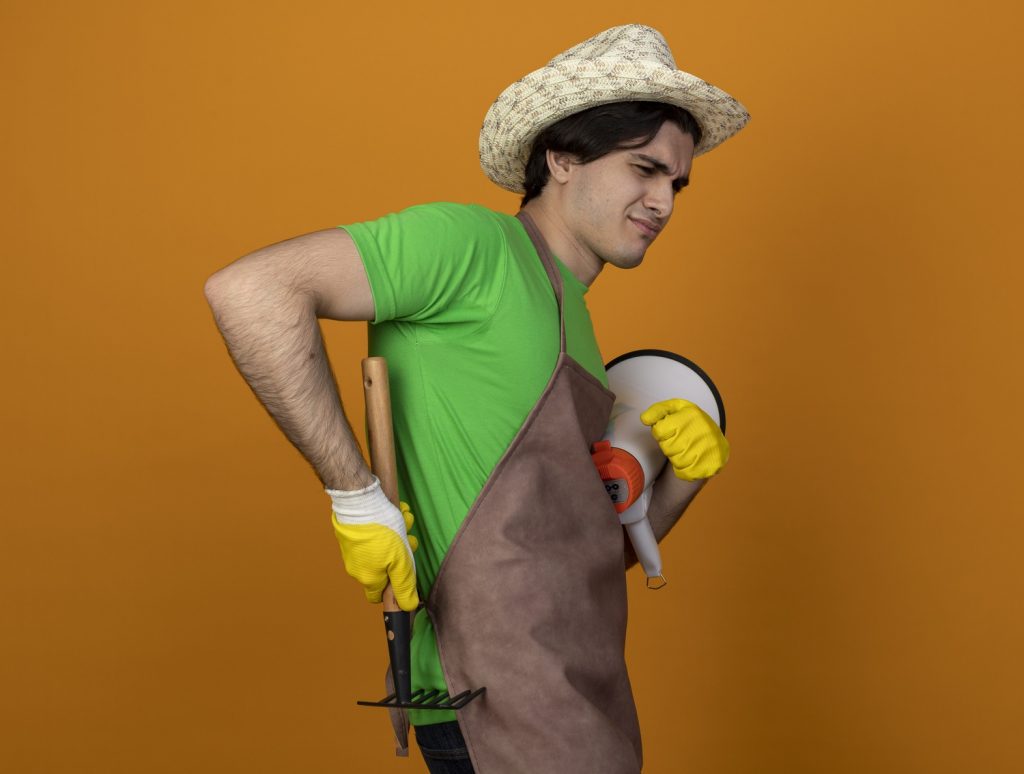
Your lower back works closely with your hips and core. When hip mobility is limited, your back compensates. When your core lacks support, spinal joints absorb more load. Research consistently shows that movement variability and proper load distribution reduce strain and injury risk. Small mechanical changes can make a significant difference in how your body feels afterward.
Garden Smarter, Not Harder
Here are practical ways to reduce strain:
- Alternate tasks every 20–30 minutes
- Use a kneeling pad or low stool instead of prolonged bending
- Hinge at the hips when lifting, keeping the load close
- Avoid twisting while carrying — turn your whole body
- Stretch hips and hamstrings before and after gardening
Preparation and pacing are key to staying pain-free.
Protect Your Back for the Long Season
Gardening should leave you satisfied — not sidelined. When you support your spine with better movement habits, you can stay active longer without recurring discomfort.
If back pain keeps interrupting your time outdoors, it may be time for a professional assessment. Book an appointment with Necks Backs Sports and keep doing what you love — comfortably.