Your spine isn’t static. It responds daily to how you sit, move, lift, train, and recover. Whether you’ve started a new fitness routine, changed jobs, or spent more time at a desk, your spine is constantly adapting to the demands you place on it. The key is understanding whether those adaptations are helping you — or quietly working against you.
A common belief is that pain automatically signals serious injury. On the other hand, some assume mild stiffness is harmless. The truth sits in between. Your spine adapts to repeated stress. Spend hours sitting? It adapts to flexion. Start lifting heavier loads? It adapts to compression. These changes aren’t inherently bad — but when load exceeds capacity, discomfort appears. The problem isn’t change itself; it’s unmanaged change.
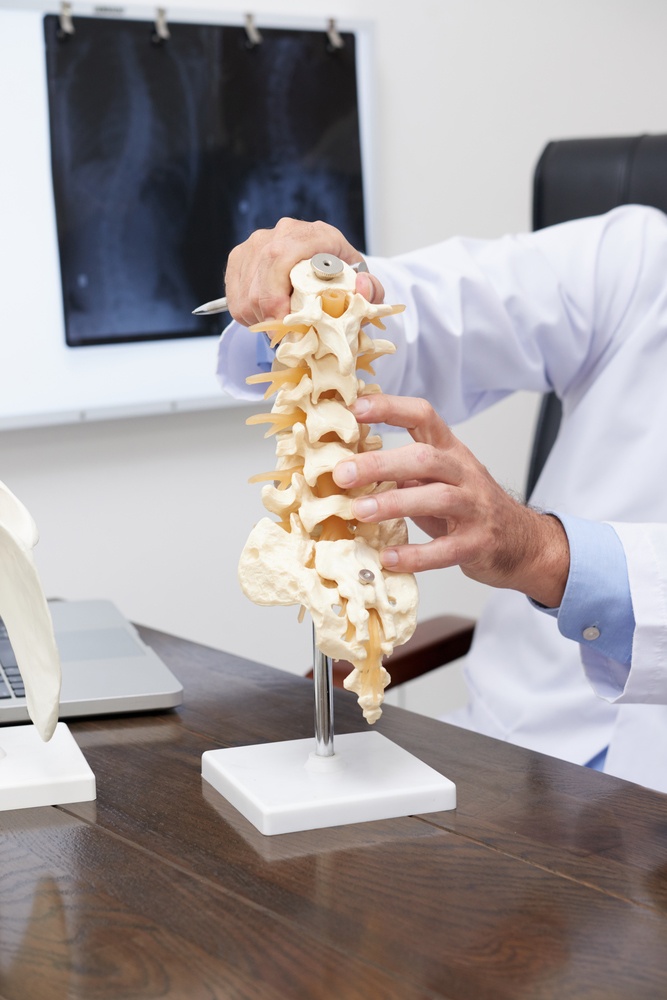
Spinal joints, discs, muscles, and ligaments remodel over time based on mechanical demand. Research consistently shows that gradual, progressive loading strengthens tissues and improves resilience. That’s why structured strength training can reduce back pain risk.
However, sudden spikes in activity, prolonged static posture, or repetitive strain without recovery can create maladaptive patterns — stiffness, reduced mobility, and recurring tension. Your spine thrives on variability, strength, and recovery — not extremes.
Guide the Adaptation
Support healthy spinal adaptation by:
- Increasing training loads gradually
- Breaking up prolonged sitting
- Incorporating mobility and stability work
- Prioritizing sleep and recovery
- Addressing recurring tightness early
Small, consistent inputs create positive structural change over time.
You Shape Your Spine Daily
Your spine reflects your habits. The good news? That means you have influence. With smart progression and balanced movement, adaptation becomes your advantage — not your setback.
If you’ve experienced recent changes in activity, work, or training and your body feels different, it’s worth assessing. Book an appointment with Necks Backs Sports to ensure your spine is adapting in a way that supports long-term strength and comfort.


 Back pain is one of the most common reasons people miss work, stop exercising, or reach for painkillers. Whether it’s from sitting too long, lifting poorly, or just stress, your back takes the hit. But here’s the good news: movement is medicine. These five easy exercises can help relieve pain, improve posture, and keep your spine happy.
 Back pain isn’t always physical. In fact, stress—emotional or mental—can manifest in the body in very real ways. Have you ever noticed your shoulders creeping toward your ears during a tense day? Or felt your back seize up after an emotionally draining week?
 We live in a world built for sitting—desk jobs, long commutes, and hours spent scrolling or watching TV. But all that sitting is taking a serious toll on our backs. In fact, some experts say prolonged sitting is as harmful to your health as smoking.