
Struggling to lift your arm, reach overhead, or sleep comfortably? You may be dealing with frozen shoulder, a common condition that causes pain, stiffness, and limited mobility. If left untreated, it can interfere with work, exercise, and everyday life. Understanding it early is the first step toward finding the right cure for shoulder pain.
Many people believe shoulder pain will disappear with rest alone. Others stop moving completely because it hurts. Unfortunately, avoiding movement is one of the biggest mistakes. Too much rest allows the shoulder joint capsule to tighten even more, making frozen shoulder last longer and feel worse.
Frozen shoulder, also called adhesive capsulitis, develops when inflammation thickens the tissues around the shoulder joint, restricting motion. It often progresses through three stages: freezing, frozen, and thawing.
The better approach isn’t complete rest — it’s guided movement and professional care. Clinical experience shows that early treatment using joint mobilisation, soft-tissue therapy, posture correction, and targeted exercises can significantly improve mobility and speed up recovery. This proactive approach is often the most effective cure for shoulder pain caused by frozen shoulder.
What should you do?
- Keep your shoulder gently moving within pain-free limits
- Avoid prolonged immobility
- Use heat for stiffness and ice for inflammation
- Improve posture at work and home
- Get a professional assessment and customised rehab plan
Why this matters
Frozen shoulder doesn’t have to control your lifestyle. With proper care, you can restore movement, reduce pain, and return to daily activities sooner and safer.
If shoulder pain is holding you back, don’t wait. Book an appointment with Necks Backs Sports today and start your personalised path to lasting relief and better shoulder health.

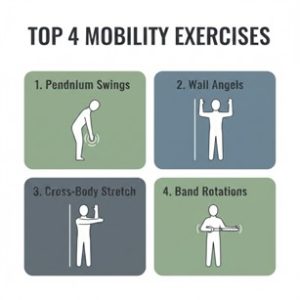
 Keep Your Neck in Line with Your Shoulders
 Avoid Sleeping on Your Tummy
 Prioritize Your Sleep Setup
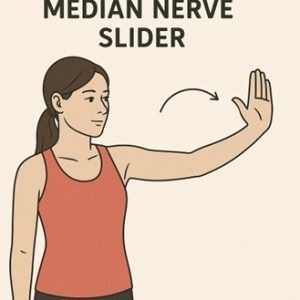 How to do it:
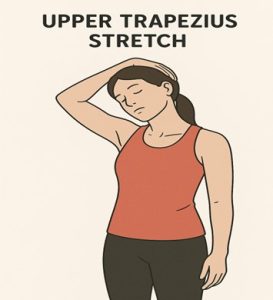 How to do it:
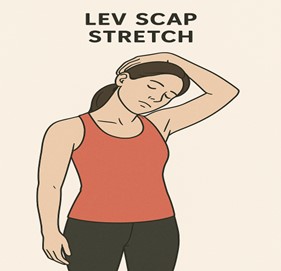 Levator Scapulae Stretch – insert an image
 Back pain is one of the most common reasons people miss work, stop exercising, or reach for painkillers. Whether it’s from sitting too long, lifting poorly, or just stress, your back takes the hit. But here’s the good news: movement is medicine. These five easy exercises can help relieve pain, improve posture, and keep your spine happy.
 Back pain isn’t always physical. In fact, stress—emotional or mental—can manifest in the body in very real ways. Have you ever noticed your shoulders creeping toward your ears during a tense day? Or felt your back seize up after an emotionally draining week?