When people think about back discomfort, they often focus on posture, lifting technique, or mattress quality. Rarely do they consider breathing. Yet every breath you take directly influences rib movement, spinal mobility, and muscle tension. If your breathing is shallow or restricted, your back may be working harder than it needs to.
A common belief is that breathing is automatic — so it can’t possibly contribute to back pain. While breathing does happen subconsciously, how you breathe matters. Chest-dominant, shallow breathing limits rib expansion and can increase tension in the neck, shoulders, and mid-back. Over time, reduced rib mobility may affect spinal mechanics and comfort.
Your ribs attach to your thoracic spine. Every inhale should create gentle expansion through the sides and back of the rib cage. When this movement is restricted — due to prolonged sitting, stress, or past injuries — surrounding muscles compensate. This can contribute to stiffness between the shoulder blades, persistent tightness, or even lower back discomfort.
Efficient diaphragmatic breathing supports better core stability, improved posture, and reduced muscle overactivity. In other words, better breathing often equals better back comfort.

Restore Rib Mobility
Here are simple ways to support healthier breathing mechanics:
- Practice slow nasal breathing with hands around your lower ribs
- Aim for 360-degree rib expansion (front, sides, and back)
- Incorporate thoracic mobility exercises into your routine
- Take posture breaks during long periods of sitting
- Schedule a spinal and rib mobility assessment
Small daily resets can significantly improve how your back feels.
Move Better, Breathe Better
Your spine and rib cage are designed to move with every breath. When breathing becomes more efficient, tension often decreases and comfort improves.
If mid-back stiffness or ongoing tension isn’t resolving, it may be time to look beyond posture alone. Book an appointment with Necks Backs Sports for a comprehensive spinal and rib assessment.

 As the school term ramps up, many students and parents notice the same thing: low energy, sore backs, stiff necks, and afternoon crashes. Most people blame busy schedules or lack of sleep. But there’s another hidden drain on energy that often gets overlooked — posture. The way students sit, study, and carry their bodies throughout the day directly affects how energised they feel.

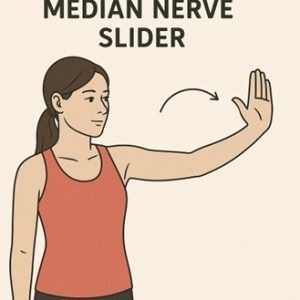 How to do it:
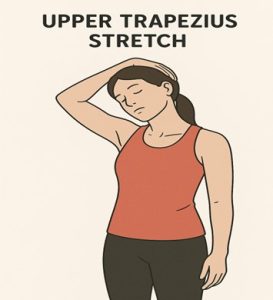 How to do it:
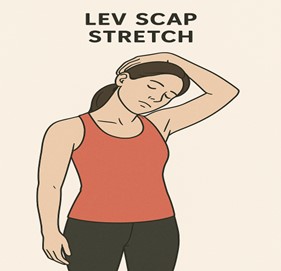 Levator Scapulae Stretch – insert an image
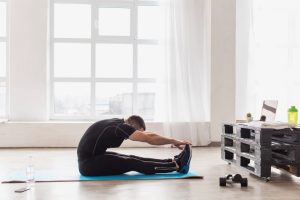 Back pain is one of the most common reasons people miss work, stop exercising, or reach for painkillers. Whether it’s from sitting too long, lifting poorly, or just stress, your back takes the hit. But here’s the good news: movement is medicine. These five easy exercises can help relieve pain, improve posture, and keep your spine happy.